Selling a business can be one of the biggest financial decisions a business owner will ever make. Whether you are preparing for retirement, pursuing a new opportunity, or simply ready for your next chapter, selling a business requires careful planning, preparation, and a clear understanding of the process.
Unfortunately, many business owners make avoidable mistakes when they decide to sell. These mistakes can affect the value of the company, reduce buyer interest, create unnecessary delays, or make negotiations more difficult.
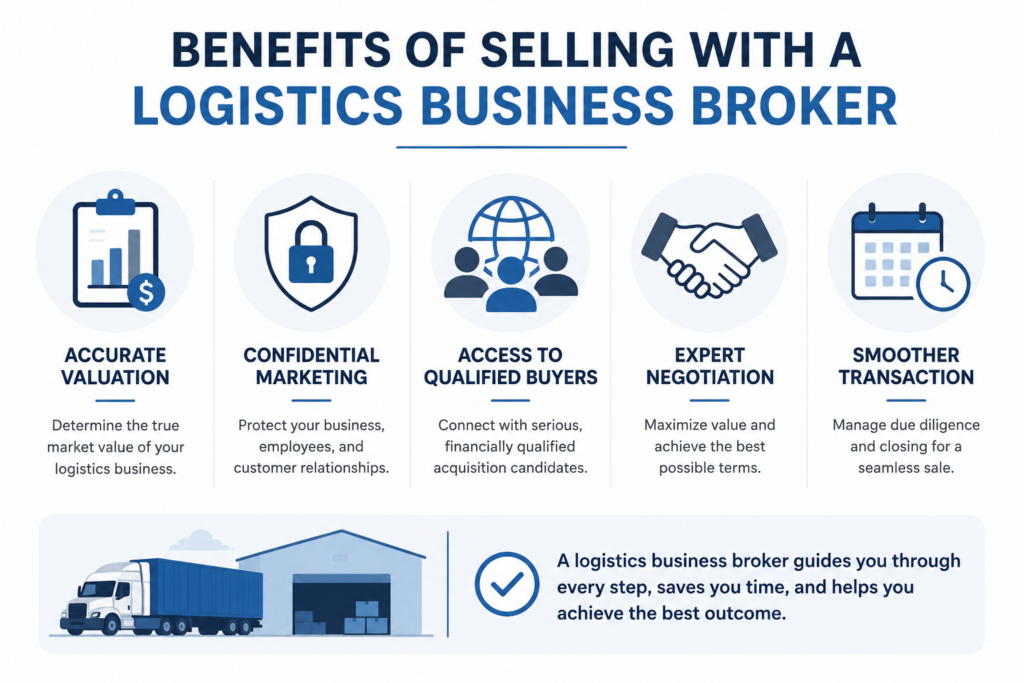
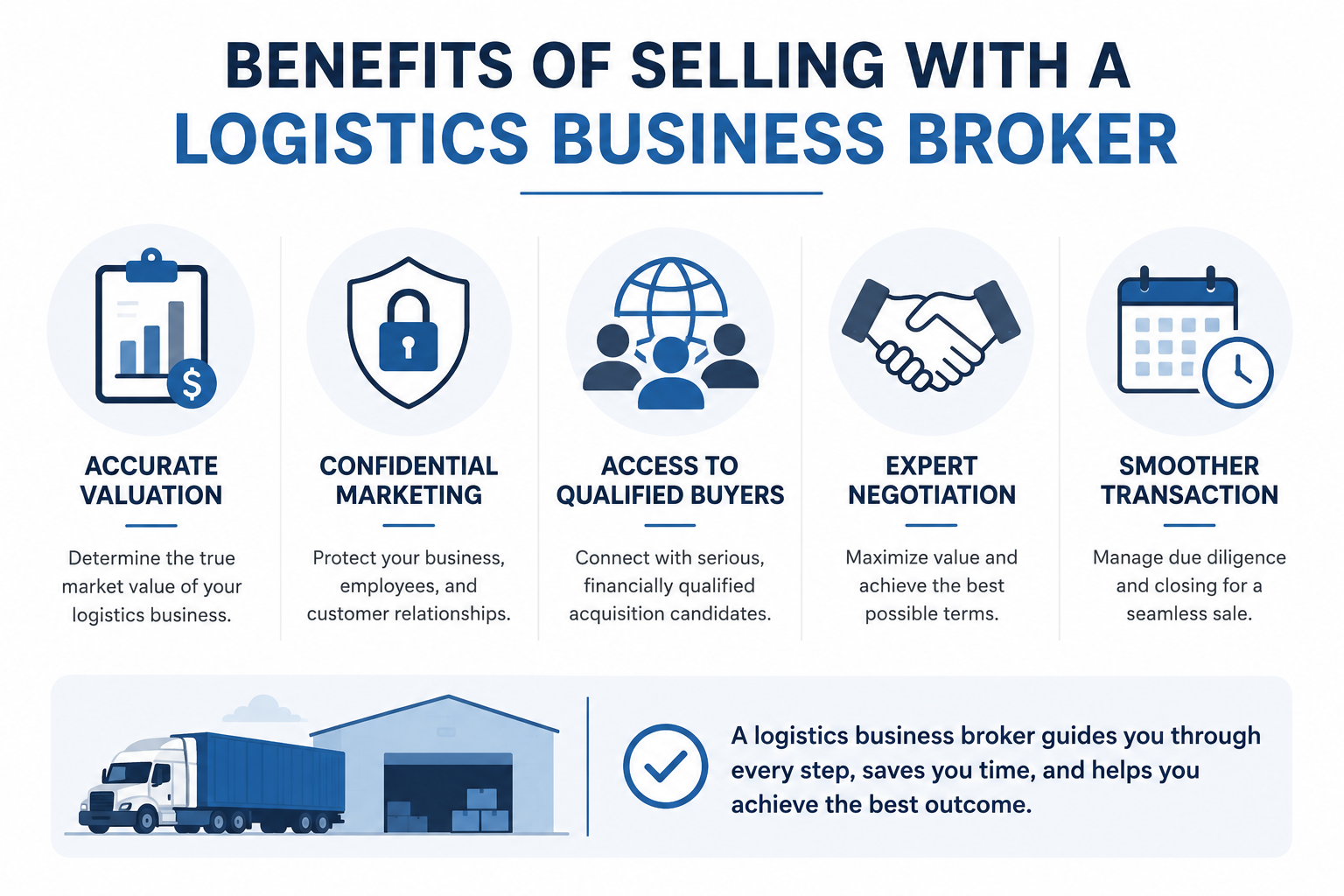
One of the most effective ways to avoid these problems is to work with an experienced business broker. A professional broker can help business owners prepare their company for sale, determine an appropriate asking price, find qualified buyers, manage negotiations, and guide the transaction from start to finish.
Here are five common mistakes to avoid when selling a business and how working with a professional business broker can help.
1. Waiting Until You Are Ready to Sell to Prepare
One of the most common mistakes when selling a business is waiting until the owner has already decided to sell before preparing the company for the market.
Buyers typically want to see organized financial records, consistent performance, efficient operations, strong customer relationships, and a business that can continue operating successfully after the current owner exits.
If your financial records are disorganized or the business depends heavily on you personally, it can make the company more difficult to sell.
How to Avoid It
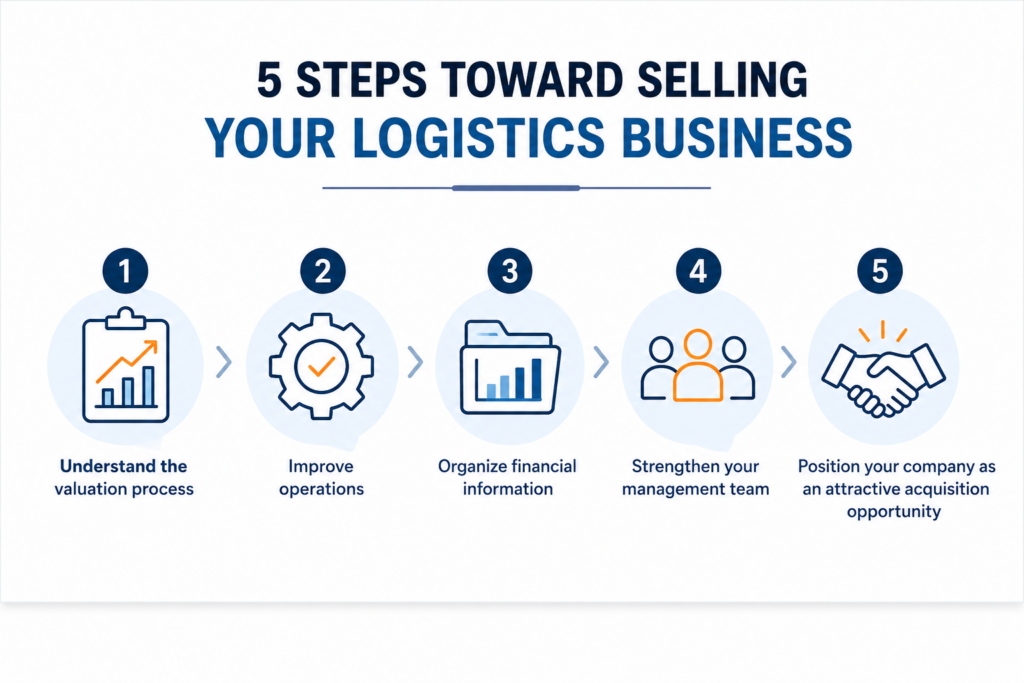
Start preparing well before you plan to list the business for sale. Review your financial statements, organize important documents, identify operational weaknesses, and look for ways to improve the company’s overall performance.
A business broker can provide an outside perspective and help identify areas that may need attention before the business is marketed to buyers. This preparation can make the company more attractive and help create a smoother sale process.
2. Pricing the Business Based on Emotion
Business owners naturally have an emotional connection to the company they built. Years of hard work, long hours, relationships, and personal investment can make it difficult to determine what the business is actually worth.
One mistake is setting the asking price based on what the owner needs to retire, how much money they have invested, or what they believe the business should be worth.
Buyers, however, generally evaluate a business based on financial performance, cash flow, assets, growth opportunities, market conditions, and other measurable factors.
How to Avoid It
A professional business valuation can provide a more objective starting point for determining the potential market value of the company.
An experienced business broker can analyze the company’s financial performance and market conditions while helping the owner understand how buyers may view the opportunity. The goal is not simply to choose the highest possible asking price. It is to establish a price and deal structure that can attract qualified buyers while reflecting the company’s underlying value.
3. Trying to Sell the Business Without Professional Help
Some owners assume they can save money by selling their business themselves. While a private sale is possible, the process can involve valuation, marketing, confidentiality, buyer qualification, negotiations, due diligence, contracts, financing considerations, and closing requirements.
Handling all of these responsibilities while continuing to operate the business can quickly become overwhelming.
There is also the challenge of finding qualified buyers. Advertising that a business is for sale publicly can potentially alert employees, customers, competitors, or suppliers before the owner is ready to make an announcement.
How to Avoid It
Consider hiring a professional business broker who understands the business-for-sale market.
A broker can help develop a marketing strategy, identify potential buyers, maintain confidentiality, coordinate communications, and manage the various stages of the transaction. This allows the owner to remain focused on running the company while the broker handles much of the sale process.
For many owners, professional guidance can also help prevent costly mistakes during negotiations.
4. Focusing Only on the Asking Price
Another common mistake when selling a business is focusing exclusively on the purchase price.
The highest offer is not necessarily the only factor that matters. The structure of the transaction can be just as important as the headline purchase price.
For example, offers can differ in areas such as cash at closing, seller financing, earn-outs, contingencies, transition requirements, and the timing of the transaction.
How to Avoid It
Evaluate the entire offer rather than looking only at the purchase price.
A business broker can help explain the differences between offers and provide perspective during negotiations. Because brokers regularly work with buyers and sellers, they can help owners understand how deal terms may affect the overall transaction.
Having professional representation can also give the seller someone to help manage negotiations objectively, rather than making decisions based solely on emotion or pressure.
5. Neglecting Due Diligence and the Closing Process
Getting an offer is an exciting milestone, but it does not mean the sale is complete.
After an offer is accepted, buyers typically conduct due diligence. They may review financial records, contracts, leases, employees, customer relationships, equipment, legal matters, and other aspects of the business.
If important information is missing or inconsistencies appear during due diligence, the transaction can be delayed or renegotiated.
How to Avoid It
Prepare for due diligence before the business goes to market.
Work with your professional advisors and business broker to organize financial statements, tax returns, contracts, licenses, leases, employee information, and other relevant documentation.
A business broker can help coordinate the process between the seller, buyer, attorneys, accountants, lenders, and other professionals involved in the transaction. This communication can help keep the sale moving and reduce surprises near closing.
Why Hire a Professional Business Broker When Selling a Business?
Selling a business involves much more than putting a price on a company and finding someone willing to buy it. Owners need to understand valuation, marketing, confidentiality, buyer qualification, negotiations, due diligence, and transaction structure.
A professional business broker can serve as a guide throughout the process. From determining how to prepare a business for sale to helping negotiate with qualified buyers, a broker can provide experience and perspective that can be difficult for an owner to manage alone while simultaneously running the company.
If you are thinking, “I want to sell my business,” starting the planning process early can make a significant difference. Even if you are not ready to put the business on the market today, speaking with a business broker can help you understand what steps you can take now to prepare for a future sale.
Learn About Selling a Business with Buy & Sell Logistics
If you are ready to sell a business in the logistics, transportation, trucking, freight, or related industries, Buy & Sell Logistics can help guide you through the process. As a specialized business brokerage resource, Buy & Sell Logistics understands the unique considerations involved in selling logistics and transportation companies. Their experienced team can help business owners navigate valuation, marketing, buyer identification, negotiations, and the transaction process.
For business owners considering selling a business, working with a knowledgeable broker can provide valuable guidance from preparation through closing. If you’re ready to explore your options, contact us today to get a free business valuation!